Introduction
In the bustling city of Pune, the dynamics of Vastu Shastra play a crucial role in shaping the destiny of businesses and industries. Factories, in particular, require a harmonious and auspicious environment to thrive and maximize their productivity. The principles of Vastu Shastra, an ancient Indian science of architecture, can help factories in Pune overcome obstacles, boost employee morale, and enhance their overall prosperity. By understanding the Vastu directions for factories in Pune, entrepreneurs and managers can create a workspace that fosters creativity, innovation, and growth. In this blog post, we will delve into the intricacies of Vastu Shastra and provide practical guidance on how to apply vastu consulting for factories in Pune elements, enabling them to reap the benefits of a harmonious and prosperous work environment.
Being a source of amazement and inspiration for contemporary culture, Hinduism and its many different ancient practices are also a source of fascination. There are many different old systems that have laid the groundwork for the happiness that exists in the modern, modern world. The Vastu Shastra, which is known for its meticulousness, is one of these systems that has been around since ancient times and continues to flourish now. The set of rules that are applied to the construction of a building or an individual room in order to have a good influence on the people who live there is referred to as the "science of architecture," and the terms translate into "architecture science." There are Puja objects for Vastu that are believed to bring about the beneficial outcomes that are wanted, and these things provide support for the system.
The Combined Effect of Five Components, Which Are:
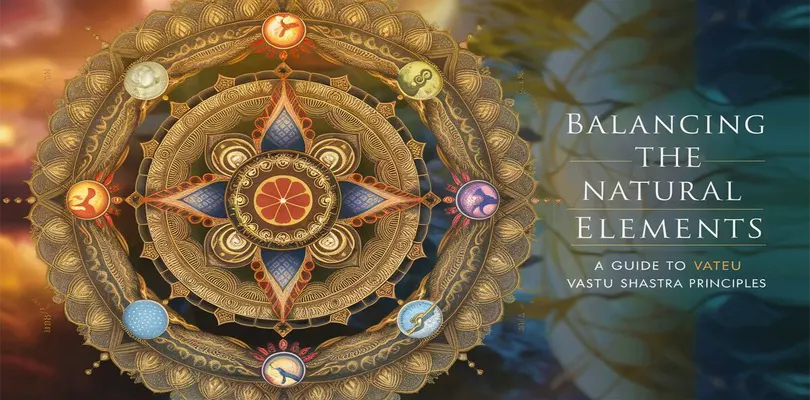
The central focus of this research is on the use of cosmic energy, which is related with the combination of five natural components, also known as the Panch Mahabhootas, for the purpose of improving one's health. People's prosperity is mostly determined by their living circumstances, which are in turn reliant on factors such as the gravitational pull of the earth, the quantity of solar energy, the amount of rainfall, the direction of the wind, and other factors. A more in-depth description of each component and the role that they play in ensuring the safety of people is provided in the following paragraphs:
Earth (Prithvi)
The vitality that emanates from the Earth is the primary source of impact in the lives of humans. It is possible for the gravitational pull and magnetic polar energy of the planet to have an effect on the health and activity levels of humans. According to the principles of Vastu, it is essential to do a thorough examination of the soil, area, form, and other aspects of a property or site before to beginning any kind of building. It is important to do a comprehensive study of the land of the Earth since it serves as the basis of a structure and helps to avoid unwelcome impacts on the intestines, knees, and neck. The influence of the Earth in a balanced state imparts both knowledge and insight.
Jamal, or water
More than seventy percent of the world is made up of water, which may be found in the form of oceans, seas, rivers, lakes, ponds, and other bodies of water. On account of this, water is the most important component of the natural world, and its influence cannot be disregarded. A certain amount of water is present in the bodies of both plants and humans, and this water has the ability to alter both their perceptions and their feelings. According to Vastu, water is an element that governs the north-eastern region, and an imbalance in this element may result in a variety of symptoms, including coughing, piles, and so on. There are certain building requirements that must be met, including the positioning of the water sources and the direction in which flows from them.
Fire (Agni)
The Sun is the starting point for life, and it plays the most significant part in the creation process by virtue of the heat and light that it emits. A symbol of sun radiation, the fire is located in the south-eastern direction and belongs to that direction. Volcanoes, lightning, heat energy, bonfires, and other phenomena are other examples of natural manifestations of this element. The Sun is the one who is accountable for the different seasons, the passage of time, and therefore, vitality. This component element is associated with human characteristics such as passion, energy, and other comparable qualities. It is regarded essential for a structure to have a sufficient space in order to let sunlight to enter, but it must be directed in the appropriate direction to prevent any potential damage.
Air (Vayu)
There is something that is a basic source of vitality on earth, and that substance is the air. There are a great number of gases that make up the atmosphere, some of which are quite hazardous. The atmosphere is filled with air. In order to maintain life, it is necessary to breathe continuously, and air is an element that cannot be avoided. The presence of air is the primary factor that determines the humidity, atmospheric pressure, and other similar factors, all of which have a significant impact on the functioning of the kidneys, lungs, and blood. In this north-west element, the presence of the appropriate proportions of gases such as oxygen, carbon dioxide, and hydrogen leads to the qualities of the creatures that are characterised by politeness, pleasure, and friendship.
Space (Akash)
There is a widespread belief that the Brahmasthan is the extended space that encompasses the galaxy and the planetary bodies that are contained within it. Within the framework of Vastu, this particular element is regarded as the ultimate source of cosmic energy; hence, it exerts the greatest amount of impact on all creatures. As a result of the fact that space is the centrifugal force that is composed of magnetic, heat, light, waves, and gravity, it takes control of the centre location in a way that is directed. This component denotes the existence of sufficient open space that may have a beneficial impact on the lives of people.
The many products that are linked with re-establishing the equilibrium of these five components are accessible for usage as different types of Vastu goods, both offline and online. It is possible to purchase these goods in order to mitigate the negative effects that may be caused by the design flaws that may be present in a home or business.
Bottom Line
From the calming presence of water features to the energizing power of fire elements, each element has its unique role to play in maintaining the delicate balance of our surroundings. By incorporating the principles of vastu consulting for factories in Pune into our factories, and daily routines, we can awaken the subtle energies that govern our lives and align ourselves with the natural world.
Read Also : A Guide to the Top Vastu Consultants in Dubai
FAQs:
1. Why are directions important in Vastu?
Directions influence the flow of energy in a space and should be aligned correctly for prosperity and well-being.
2. What is Brahmasthan in Vastu?
Brahmasthan is the central area of a home that should be open and free of heavy furniture to allow energy circulation.
3. Does Vastu advise on furniture placement?
Yes, placing heavy furniture in southwest and keeping spaces clutter-free supports stability and energy flow.
4. Can Vastu principles be applied to offices and commercial spaces?
Yes, Vastu guidelines can be adapted to enhance harmony and productivity in work environments.
5. Is Vastu relevant in modern architecture?
Many modern builders incorporate Vastu principles into their designs to enhance energy efficiency and occupant comfort.
